
UMI's Virtual Learning Environment
Search results: 75
The module is made up of twelve units that provide a broad range of theoretical, analytical and practical skills to understand and use the knowledge, skills and experience derived from the Module. The module also focuses on how to effectively plan and budget according to priorities of the local citizens and cause LED, understand the legal and institutional context in which the LED Policy is implemented, engage other stakeholders in service delivery and ably articulate the roles and functions of the councils and its organs.
- Content Writer: Sebbowa Dorothy Kyagaba
- Module Leader: Galukande-Kiganda Michael Peters
- Module Leader: Okware Okanya Beric
Category: Semester 1
- Facilitator: Kajumbula Richard
Category: MBA

Module Description:
The accounting function is a critical one for the success of an organization especially in meeting the needs of the external stakeholders. However, in a training environment, Accounting is usually limited to the theories and the imaginary demonstrations in form of made up financial transactions. This module comes in to fill the gap that exists between the theory and the real practice of generating financial statements.
This module that is largely practical covers the knowledge and skills necessary to prepare financial statements in a computerized environment. It builds on the earlier Knowledge you obtained from Financial Accounting during your studies.
- Teacher: Mwogeza Resty
Category: e-Development
This module is designed to develop and enhance competencies in management information systems. The curriculum provides a broad range of theoretical, analytical and practical skills to understanding manage information systems. The module is made up of seven units.
Information systems play critical roles in business, government, and daily life and therefore the programme will produce highly skilled information system management professionals who will be able to advice and implement appropriate information systems in the private, public and the Ngo sectors.
Most managers though aware that good decisions are based on reliable and accurate information, are ignorant on the value of information systems as the source of reliable information. Developing knowledge, skills and attitudes of managers will avert the above mentioned issues.
This demo course is to demonstrate to you how to use the VLE for Discussion Forums, Assignments and Groups.
Category: Postgraduate programmes 2018/2019
- Facilitator: Malunda Paul
- Facilitator: Malunda Paul
- Facilitator: Muhama Gladys
- Facilitator: Mwogeza Resty
- Facilitator: Tophil Owino Odoy
- Facilitator: Wahitu Fred
Category: SEMESTER 1
This module will introduce the basic concepts underlying systems analysis and design, focusing on contextual inquiry/design and data modeling, as well as the application of those analytical techniques in the analysis and design of organizational information systems Furthermore, systems analysis and design is used to implement improvements in the support of users and the functioning of businesses that can be accomplished through the use of computerized information systems.
- Content Writer: Zawedde Amina
- Facilitator: Aduwo Jennifer Rose
- Facilitator: Kimuli Julius
- Facilitator: Tumusiime Patrick
Category: DISM
This module will introduce the basic concepts underlying systems analysis and design, focusing on contextual inquiry/design and data modeling, as well as the application of those analytical techniques in the analysis and design of organizational information systems Furthermore, systems analysis and design is used to implement improvements in the support of users and the functioning of businesses that can be accomplished through the use of computerized information systems.
- Module Leader: Kimuli Julius
Category: Semester 1
The module covers the following topics operating systems, system start-up and operation, disk partitioning and file system installation, file system and device manipulation, process and log analysis, start-up scripts and configuration files, user/group security and permissions, print spooling, file formats and media access, backup, scheduling maintenance functions and customizing the kernel.
- Module Leader: Wagema Samuel
Category: Semester 1
Management skills improvement is a basic module and will make you open up to various management areas. As a participant on the UMI program, it is important that you benefit from the wealth of knowledge sharing in management. There are various topics which should facilitate you to handle different management concerns. Through the rich methodology and discussion of relevant cases, you will be enriched to be a better manager.
This is a generic module that is aimed at developing the management capacity of all participants. Given that projects have scarce resources and are time bound, project managers are continuously working under stressful conditions. So, these management skills will thus enhance the capacity of the Project Managers and Monitoring and Evaluation Officers/Experts to understand other issues that may affect performance and how to deal with the people to ensure project success
- Teacher: Atwebembeire Juliet
- Teacher: Beinebyabo Adrian
Category: Semester I DPPM-DL-OCT-14
- Module Leader: Kakuba Ronald
Category: DL-DPSCM

- Module Leader: Okot Willy
Category: DL-DPSCM
- Content Writer: Bbuye Julian
- Teacher: Nduhura Alex
Category: DPSCM
- Module Leader: Nduhura Alex
- Teacher: Bbuye Julian
- Teacher: Kakuba Ronald
- Teacher: Kakuba Ronald
- Teacher: Kedi Christine
- Teacher: Mujuni Urbans
- Teacher: Mwogeza Resty
- Teacher: Namubiru Proscovia
- Non-editing teacher: Ssettumba John Paul
Category: DPSCM
Welcome to the module on Strategy and Strategic Procurement Management, where we will explore the critical role that strategic procurement plays in achieving organizational objectives and enhancing competitive advantage. In an increasingly complex and fast-paced global marketplace, effective procurement management transcends traditional purchasing practices, evolving into a strategic function that aligns resources, supplier relationships, and supply chain efficiencies with broader business goals.
This module will equip you with the essential tools and frameworks to develop and implement procurement strategies that not only drive cost savings but also foster innovation, sustainability, and resilience within your organization. Through a combination of theoretical insights and practical applications, we will delve into the nuances of strategic procurement, enabling you to make informed decisions that contribute to long-term success and value creation.
- Module Leader: Nduhura Alex
- Lead Facilitator : Bbuye Julian
- Lead Facilitator : Kedi Christine
- Lead Facilitator : Mwogeza Resty
- Lead Facilitator : Namubiru Proscovia
- Lead Facilitator : Obbo Simon Peter Okoth
- Non-editing teacher: Mujuni Urbans
- Non-editing teacher: Ssettumba John Paul
Category: DPSCM
- Content Writer: Nansamba Mariam
- Module Leader: Room 11 zoom
- Module Leader: Settumba John Paul
Category: Semester 1
- Content Writer: Arinaitwe Edith
- Content Writer: Kato Badru
- Content Writer: Kyakuwa Betty
- Content Writer: Nambobi Olivia
- Content Writer: Namuddu Justine
- Module Leader: Dr. Nyenje Aida Lubwama
Category: Semester 1
Finance and Supply Chain Diligence is concerned with undertaking in-depth financial analysis of suppliers’ and customers’ financial information. It also provides for a deeper understanding of supply markets dynamics Finance and Supply Chain Diligence
- Content Writer: Bbuye Julian
- Facilitator: Nduhura Alex
- Facilitator: Ssennoga Francis
- Facilitator: Ssenyondo John Paul
- Co-facilitator: Balikuddembe John Fisher
Category: PSCM - Course
- Content Writer: Ntambi Fred
- Content Writer: Sebbowa Dorothy Kyagaba
- Module Leader: Nduhura Alex
- Module Leader: Ssennoga Francis
- Module Leader: Ssenyondo John Paul
- Facilitator: Balikuddembe John Fisher
- Facilitator: Bbuye Julian
Category: DPSCM
- Module Leader: Nduhura Alex
- Content Writer: Mujuni Urbans
- Content Writer: Okot Willy
- Teacher: Bbuye Julian
- Teacher: Kedi Christine
- Teacher: Mwogeza Resty
- Teacher: Namubiru Proscovia
- Non-editing teacher: Ssettumba John Paul
Category: DPSCM
Finance in Procurement and Supply Chain is concerned with undertaking in-depth financial analysis of supplier’s financial data. It also provides for a deeper understanding of supply markets dynamics. This module is made up of 7 units.
- Module Leader: Okot Willy
Category: DPSCM

MODULE RATIONALE
Accounting for resources to the stakeholders has a huge base of regulations and standards that must be followed by those in charge of reporting. A thorough understanding of these standards and regulations is critical for effective reporting that will support decision making by the stakeholders. This module enables the participants to go into the required depth of these standards and regulations.
MODULE DESCRIPTION
The module builds basic knowledge of Financial Accounting, necessary for manager to appreciate and interpret financial information. It covers the conceptual framework of accounting with reference to the qualitative characteristics of useful information and the fundamental bases of accounting. It then moves into a detailed examination of the regulatory framework of accounting and how this informs the standard setting process. Reporting of financial information for single companies and for groups in accordance with generally accepted accounting principles and relevant accounting standards is also detailed before reviewing analysis and interpretation of information from financial reports.
MODULE AIM
To develop knowledge and skills in understanding and applying accounting standards and the theoretical framework in the preparation of financial statements of entities, including groups and how to analyze and interpret those financial statements.
MODULE OBJECTIVES
This module is an introduction to the basic concepts and standards underlying financial accounting systems. Several important concepts will be studied in detail, including: revenue recognition, inventory, long-lived assets, present value, and long term liabilities. The module aims to: • Help participants to learn to read, understand, and analyze financial statements • Present a framework for understanding financial effects of business events. • Examine the content and meaning of business financial reports. • adopt a decision-maker perspective of accounting by emphasizing the relation between accounting data and the underlying economic events that generated them.
LEARNING OUTCOMES
At the end of the module, participants will be able to:
1. Apply conceptual and regulatory frameworks for financial reporting
2. Record business transactions in accordance with GAAPs.
3. Prepare and present financial statements for internal for single entities.
4. Analyze and interpret financial statements
- Teacher: Ssenyondo John Paul
- Non-editing teacher: Nanduga Sumaya

Financial Accounting is a course that focuses on the identification, classification, measurement, recording, communication of financial information to the stakeholders to support decision making. The course will facilitate financial reporting and analysis of transactions by the users.
- Lead facilitator : Mugambe Paddy
Category: Online Trainers Workshop
The module brings to you Health Care Economics topics such as: demand and supply of health care services, market failures, health care financing,and Making decisions on health financing
Module Aim
To introduce you to the theoretical foundations of Healthcare Economics.
Learning Outcomes
At the end of this module, you should be able to:
- Describe the characteristics of health care economics and the nature of demand and supply of health services and its related imperfections;
- Explain the mechanism of the financing of health care, and describe the need for economic evaluation and priority setting of health programs
- Facilitator: Mayende Godfrey
- Module Leader: Andama Felix Adiburu
- Module Leader: Okware Okanya Beric
Category: Semester 1
- Facilitator: Bigabwenkya Sebastian
- Facilitator: Muhama Gladys
- Facilitator: Odoy Tophil
- Facilitator: Tophil Owino Odoy
- Facilitator: Wahitu Fred
Category: WEEKEND PROGRAMMES (2024/2025)
- Facilitator: Luyinda Herbert
Category: Semester 2
Category: MBA
- Module Leader: Bbuye Julian
Category: SCPAG
- Content Writer: Bbuye Julian
- Teacher: Nduhura Alex
- Non-editing teacher: Ruth Kikonyogo
Category: Semester 1
- Module Leader: Settumba John Paul
- Module Leader: Ssennoga Francis
- Module Leader: Wanume Paul
- Facilitator: Bbuye Julian
Category: DLTM
- Teacher: Wanume Paul
Category: Semester 1
- Content Writer: Ntambi Fred
- Module Leader: Settumba John Paul
- Module Leader: Ssennoga Francis
- Facilitator: Bbuye Julian
Category: Semester 1
Management and Organisational Behaviour (MBA 20)
- Teacher: Okoche Micheal
- Non-editing teacher: Bakibinga Sajjabi Florence
Dear participants, you are welcome to this Module on Management Information Systems. In this module, we shall focus on management information systems and the role they play in organizations.
The module provides theoretical, analytical and practical skills to understanding management information systems. The module is made up of seven units. It is centred around the fundamental premise that the primary role of information technology is to provide organisations with strategic advantage by facilitating problem solving, increasing productivity and quality, increasing speed, improving customer service, enhancing communication and collaboration and enabling business process restructuring. In addition, the module will expose participants to debates on current issues in business information management and to create an awareness of the usefulness and limitations of information systems in organisations.
- Lead Facilitator: Aduwo Jennifer Rose
- Lead Facilitator: Bwoch Gladys
Category: DPPM DL IV (2014/2015)
Management skills improvement is a basic module and will make you open up to various management areas. As a participant on the UMI program, it is important that you benefit from the wealth of knowledge sharing in management. There are various topics which should facilitate you to handle different management concerns. Through the rich methodology and discussion of relevant cases, you will be enriched to be a better manager.
This is a generic module that is aimed at developing the management capacity of all participants. Given that projects have scarce resources and are time bound, project managers are continuously working under stressful conditions. So, these management skills will thus enhance the capacity of the Project Managers and Monitoring and Evaluation Officers/Experts to understand other issues that may affect performance and how to deal with the people to ensure project success
- Lead Facilitator: Beinebyabo Adrian
- Lead Facilitator: Okware Okanya Beric
- Co-Facilitator: Atwebembeire Juliet
Category: DME DL IV (2014/2015)

- Course Admin: Kasule Evelyn
- Course Admin: Nampijja Maria
- Course Admin: Ocan Samuel
- Non-editing teacher: Kasule Evelyn
- Non-editing teacher: Nampijja Maria
Category: Masters Programmes (2021/2022)
- Facilitator: Bufwambu Joseph Masolo
- Facilitator: Luswabi Martin
- Facilitator: Ssenyondo John Paul
Category: WEEKEND
- Facilitator: Bufwambu Joseph Masolo
- Facilitator: Ssenyondo John Paul
Category: EVENING
- Content Writer: Aduwo Jennifer Rose
- Content Writer: Bbuye Julian
- Content Writer: Namubiru Proscovia
- Module Leader: Bufwambu Joseph Masolo
Category: DIGI-FACE MBA MODULE COVERSION
- Content Writer: Aduwo Jennifer Rose
- Content Writer: Bbuye Julian
- Content Writer: Namubiru Proscovia
- Teacher: Oluka Pross Nagitta
Category: DIGI-FACE MBA MODULE COVERSION
- Module Leader: Room 22 Zoom
- Module Leader: Ssenyondo John Paul
Category: YEAR TWO - (Semester One)
- Content Writer: Ntambi Fred
- Content Writer: Wepondi Geoffrey
- Module Leader: Bufwambu Joseph Masolo
- Module Leader: Oluka Pross Nagitta
- Module Leader: Room 05 Zoom
Category: SUPPLY CHAIN MANAGEMENT
- Content Writer: Ntambi Fred
- Content Writer: Omoding Simon
- Content Writer: Ssebunya Martin Arthur
- Content Writer: Wepondi Geoffrey
- Module Leader: Bufwambu Joseph Masolo
- Module Leader: Room 05 Zoom
- Content Writer: Luswabi Martin
- Content Writer: Muhumuza Patrick
- Content Writer: Ssebunya Martin Arthur
- Module Leader: Bufwambu Joseph Masolo
- Module Leader: Oluka Pross Nagitta
- Module Leader: Room 05 Zoom
- Content Writer: Luswabi Martin
- Content Writer: Ssebunya Martin Arthur
- Module Leader: Oluka Pross Nagitta
- Module Leader: Room 05 Zoom
Category: SUPPLY CHAIN MANAGEMENT
- Module Leader: Bufwambu Joseph Masolo
- Module Leader: Room 22 Zoom
Category: YEAR TWO: SEMESTER ONE (Specialistion)
Data Management and Business Analytics
- Facilitator: Bufwambu Joseph Masolo
- Facilitator: Kyakulumbye Stephen
Category: Semester 1
- Content Writer: Mutaaya Abu-Baker Sirajee
- Content Writer: Nabukenya Margaret Mary
- Content Writer: Namaganda Justine
- Module Leader: Oryema Dan
- Module Leader: Room 18 Zoom
Monitoring and Evaluation (M&E) of projects are increasingly recognized as indispensable management functions. For many years, M&E of development projects in developing countries has been given little attention. Some of the main constraints that have hampered M&E in development projects include: weak interest and commitment to the evaluation function by both donors and civil society organizations, weak culture of carrying out, sharing, discussing and using the results of evaluation activities among NGOs and donors, a relative shortage of professional evaluation experts (in comparison with researchers, trainers), insufficient technical resources, limited monetary allocation to M&E work by governments and donors, limited training opportunities in evaluation as well as shortage of trained staff. However, it is important to note that the last few years have witnessed an increased interest in strengthening the M&E function by donors, Government and civil society organizations for the purposes of generating results. Many programs and projects have come up especially in developing countries which need to be run effectively and efficiently putting in mind value for money by the donors and governments. Such programs include but are not limited to humanitarian/relief programs, government programs, community programs, amongst others. The module is designed to enable aspiring M&E specialists and all those engaged in project work to demonstrate required standards of competence for professional practice in a key discipline and acquire essential knowledge and skills to track project performance. As a result of this increased interest, potential and current M&E practitioners and project managers need to acquaint themselves with the resilient requirements for designing and tracking project performance across the results matrix.
- Lead Facilitator: Lugemoi Wilfred Bongomin
- Facilitator: Asiimwe Henry
- Facilitator: Beinebyabo Adrian
Category: DME IV
- Content Writer: Okalebo Moses
- Module Leader: Oluka Pross Nagitta
- Module Leader: Room 17 Zoom
Category: SEMESTER 2
- Content Writer: Wepondi Geoffrey
- Module Leader: Bufwambu Joseph Masolo
- Module Leader: Room 16 Zoom
Category: SEMESTER 2
- Content Writer: Luswabi Martin
- Content Writer: Ssebunya Martin Arthur
- Module Leader: Oluka Pross Nagitta
- Module Leader: Room 17 Zoom
Category: SEMESTER 2

The Negotiation and Contract Management explores the process of negotiation and contract management. It provides insight on what it takes to succeed in negotiating, and contracting in the procurement and supply chain management context.
- Content Writer: Bbuye Julian
- Lead Facilitator: Amanyire Cleophas
- Lead Facilitator: Mayengo Robert
- Co-Facilitator: Balikuddembe John Fisher
- Co-Facilitator: Mutekanga Esau
- Co-Facilitator: Nduhura Alex
- Co-Facilitator: Ntambi Fred
Category: PSCM - Course
- Module Leader: Kyohairwe Stella
- Facilitator: Sebbowa Dorothy Kyagaba
Category: MIML
Online Learner Support - Course
- Facilitator: Aduwo Jennifer Rose
- Facilitator: Balikuddembe John Fisher
- Module Leader: Settumba John Paul
- Content Writer: Nduhura Alex
Category: Academic Year (2022/2023)
Virtually all activities we undertake in life have expected outcomes, are time bound and consume the available scarce resources and yet they are implemented in environments which need to be understood and appreciated. Hence project management has cemented its position as a key management Paradigm, enabling organizations to efficiently and effectively reach their intended goals in a constantly changing business environment complicated by risks, uncertainties and competitor pressures. The general environment within which projects are managed calls for a clear understanding of complexity inherent in the management of projects to enable the achievement of the intended project goals. The treatment of numerous undertakings today by organizations requires projects that call for clear understanding in which they are implemented.
This module is designed to address the challenges faced by project managers, programme managers, Administrators and those pursuing a career in Project management or monitoring of projects to grasp the environmental factors within which projects operate or exist. The module uses theoretical knowledge as well as case studies to address the concerns of the target groups in synthesizing the surrounding of a project from inception to closure following the Project management body of Knowledge (PMBOK) standards advocated for by the project management institute (PMI).
The module is hence designed to enhance knowledge and skills in understanding the projects in general putting into consideration the various sectors where projects are implemented. This module contains thirteen units.
- Lead Facilitator: Nuwagaba Innocent
- Facilitator: alengo geoffrey
- Facilitator: Asiimwe Henry
- Facilitator: Mutiba Anaclet
Category: DPPM IV
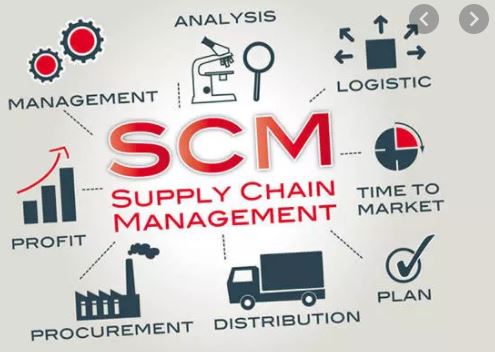
Supply Chain management module implores the need for procurement to become supply chain management. It exposes participants to concepts that are required to deliver supply chain management excellence.
Category: PSCM - Course
MODULE RATIONALE
This module is designed to introduce Participants to how public services, which are prominent feature of modern society, are managed. The management of the public sector is arguably significantly more challenging than in the private sector, not least because of the intensity of the scrutiny by multiple and varied stakeholders and the competing priorities and conflicting objectives. The module recognizes the democratic environment of public organizations from rationality to practice. It also exposes participants to the idea that the public sector borrows from the private sector. Throughout all this, the course will emphasize the importance and challenges of managing the daily practice of the public sector
MODULE DESCRIPTION
This is a module that helps Participant to build and refine their understanding of the Ugandan public sector governance. The focus is on key governance institutions and processes, the efforts being made to reform them and the theories lying behind those efforts. Specifically, the course will examine reforms in areas such as service delivery, regulation, policy making. Budgeting, citizen engagement, decentralization, public sector ethics and accountability
MODULE AIM
The module aims to provide participants with a critical analysis of developments in public sector management, how these developments impact upon the task of public management, and to contextualise public management reform within an internationalised environment. The distinctive features of this module are the exploration of the limits and applicability of managerial and organisational concepts when applied to the public sector.
MODULE OBJECTIVES
The module takes a comparative and thematic approach to issues in public sector management, and encourages participants to consider their relevance to public governance and public sector reform. Specifically, the module shall ensure that participants:
• understand and effectively manage the business of government
• manage relationships for customer and business outcomes in government.
• Understand contemporary trends and developments in public sector administration and management in both developed and developing countries
• Apply relevant theories in explaining real world public administration and management problems
• Demonstrate skills needed to tackle problems and challenges facing public sector managers
MODULE LEARNING OUTCOMES
By the end of the module, participants should be able to:
1. execute the goals of government and explain the role of different stakeholders.
2. examine the major drivers for public sector reforms.
3. assess the democratic environment of public sector management and its contemporary social, political and economic context.
4. critically review rational forms of public organisations & management and policy making.
5. develop a critical awareness of the presence and influence of management paradigms.
6. develop a critical understanding of the relationship between the theory and practice of public sector management.
- Teacher: Kyohairwe Stella
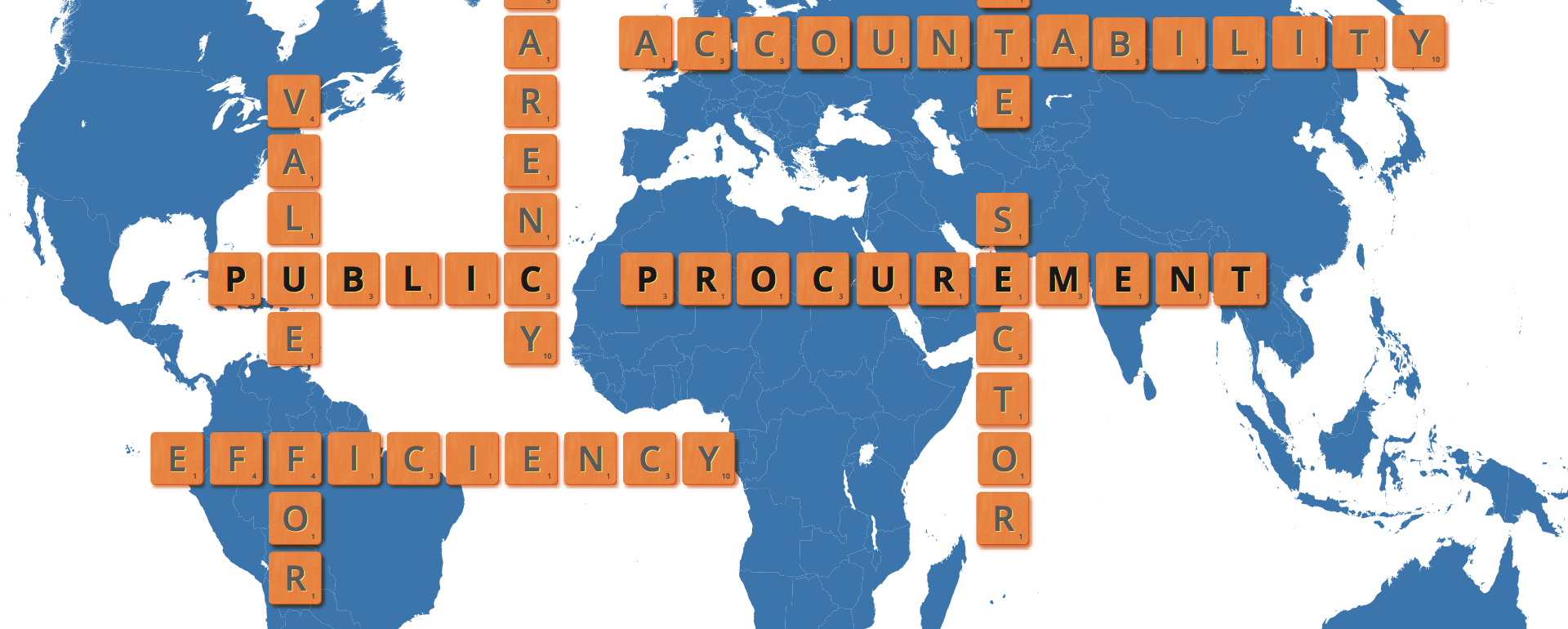
Procurers operate in diverse environments characterised by sectoral differences and implications. This environment can create complexity as knowledge on how to procure across sectors is scanty and deficient. The public-private and third sector procurement management enables you to understand the diversity of the sectors as well as equipping you with the necessary knowledge and tools to operate procurement and supply chain activities in any environment.
- Content Writer: Bbuye Julian
- Teacher: Agaba Catherine
- Teacher: Mayengo Robert
- Teacher: Mutekanga Esau
- Teacher: Nduhura Alex
- Non-editing teacher: Balikuddembe John
Category: PSCM - Course
- Content Writer: Kyakulumbye Stephen
- Content Writer: Luyinda Herbert
Category: Semester 1
- Content Writer: Kyakulumbye Stephen
- Content Writer: Luyinda Herbert
- Module Leader: Oluka Pross Nagitta
Category: SEMESTER 1

Strategy and Strategic Procurement Management
To develop procurement and supply chain management strategies that enable organisations to secure and sustainable competitive edge.
- Content Writer: Bbuye Julian
- Module Leader: Akampa Ruth
- Module Leader: Bufwambu Joseph Masolo
- Facilitator: Balikuddembe John
- Facilitator: Mugarura Jude T
Category: PSCM - Course

- Facilitator: Nduhura Alex
- Non-editing teacher: Bbuye Julian
- Non-editing teacher: Dr. Kasozi-Mulindwa Saturninus
- Non-editing teacher: Mwogeza Resty
- Non-editing teacher: Nalwanga Christine
Category: MBA management (Course Devt)
Supply Chain Management
- Lead Facilitator: Bbuye Julian

- Teacher: Oluka Pross Nagitta
- Non-editing teacher: Balikuddembe John Fisher
- Non-editing teacher: Mwogeza Resty
- Teacher: Bbuye Julian
Category: TRAINING
Category: MPPM