
UMI's Virtual Learning Environment
Search results: 75
Online Learner Support - Course
- Facilitator: Aduwo Jennifer Rose
- Facilitator: Balikuddembe John Fisher
- Module Leader: Settumba John Paul
- Content Writer: Nduhura Alex
Category: Academic Year (2022/2023)
Virtually all activities we undertake in life have expected outcomes, are time bound and consume the available scarce resources and yet they are implemented in environments which need to be understood and appreciated. Hence project management has cemented its position as a key management Paradigm, enabling organizations to efficiently and effectively reach their intended goals in a constantly changing business environment complicated by risks, uncertainties and competitor pressures. The general environment within which projects are managed calls for a clear understanding of complexity inherent in the management of projects to enable the achievement of the intended project goals. The treatment of numerous undertakings today by organizations requires projects that call for clear understanding in which they are implemented.
This module is designed to address the challenges faced by project managers, programme managers, Administrators and those pursuing a career in Project management or monitoring of projects to grasp the environmental factors within which projects operate or exist. The module uses theoretical knowledge as well as case studies to address the concerns of the target groups in synthesizing the surrounding of a project from inception to closure following the Project management body of Knowledge (PMBOK) standards advocated for by the project management institute (PMI).
The module is hence designed to enhance knowledge and skills in understanding the projects in general putting into consideration the various sectors where projects are implemented. This module contains thirteen units.
- Lead Facilitator: Nuwagaba Innocent
- Facilitator: alengo geoffrey
- Facilitator: Asiimwe Henry
- Facilitator: Mutiba Anaclet
Category: DPPM IV
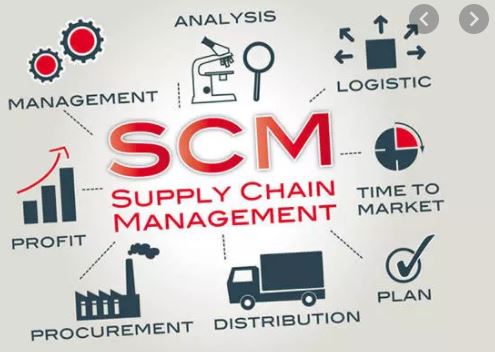
Supply Chain management module implores the need for procurement to become supply chain management. It exposes participants to concepts that are required to deliver supply chain management excellence.
Category: PSCM - Course
MODULE RATIONALE
This module is designed to introduce Participants to how public services, which are prominent feature of modern society, are managed. The management of the public sector is arguably significantly more challenging than in the private sector, not least because of the intensity of the scrutiny by multiple and varied stakeholders and the competing priorities and conflicting objectives. The module recognizes the democratic environment of public organizations from rationality to practice. It also exposes participants to the idea that the public sector borrows from the private sector. Throughout all this, the course will emphasize the importance and challenges of managing the daily practice of the public sector
MODULE DESCRIPTION
This is a module that helps Participant to build and refine their understanding of the Ugandan public sector governance. The focus is on key governance institutions and processes, the efforts being made to reform them and the theories lying behind those efforts. Specifically, the course will examine reforms in areas such as service delivery, regulation, policy making. Budgeting, citizen engagement, decentralization, public sector ethics and accountability
MODULE AIM
The module aims to provide participants with a critical analysis of developments in public sector management, how these developments impact upon the task of public management, and to contextualise public management reform within an internationalised environment. The distinctive features of this module are the exploration of the limits and applicability of managerial and organisational concepts when applied to the public sector.
MODULE OBJECTIVES
The module takes a comparative and thematic approach to issues in public sector management, and encourages participants to consider their relevance to public governance and public sector reform. Specifically, the module shall ensure that participants:
• understand and effectively manage the business of government
• manage relationships for customer and business outcomes in government.
• Understand contemporary trends and developments in public sector administration and management in both developed and developing countries
• Apply relevant theories in explaining real world public administration and management problems
• Demonstrate skills needed to tackle problems and challenges facing public sector managers
MODULE LEARNING OUTCOMES
By the end of the module, participants should be able to:
1. execute the goals of government and explain the role of different stakeholders.
2. examine the major drivers for public sector reforms.
3. assess the democratic environment of public sector management and its contemporary social, political and economic context.
4. critically review rational forms of public organisations & management and policy making.
5. develop a critical awareness of the presence and influence of management paradigms.
6. develop a critical understanding of the relationship between the theory and practice of public sector management.
- Teacher: Kyohairwe Stella
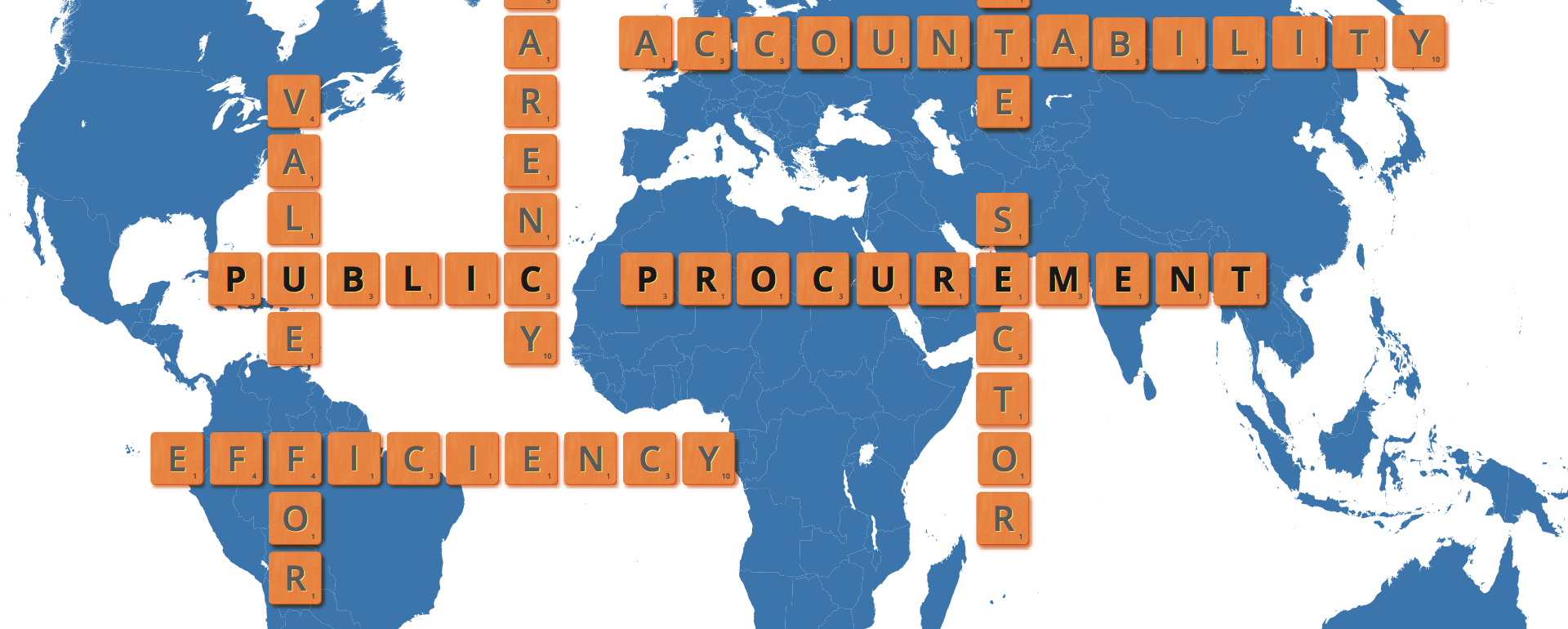
Procurers operate in diverse environments characterised by sectoral differences and implications. This environment can create complexity as knowledge on how to procure across sectors is scanty and deficient. The public-private and third sector procurement management enables you to understand the diversity of the sectors as well as equipping you with the necessary knowledge and tools to operate procurement and supply chain activities in any environment.
- Content Writer: Bbuye Julian
- Teacher: Agaba Catherine
- Teacher: Mayengo Robert
- Teacher: Mutekanga Esau
- Teacher: Nduhura Alex
- Non-editing teacher: Balikuddembe John
Category: PSCM - Course
- Content Writer: Kyakulumbye Stephen
- Content Writer: Luyinda Herbert
Category: Semester 1
- Content Writer: Kyakulumbye Stephen
- Content Writer: Luyinda Herbert
- Module Leader: Oluka Pross Nagitta
Category: SEMESTER 1

Strategy and Strategic Procurement Management
To develop procurement and supply chain management strategies that enable organisations to secure and sustainable competitive edge.
- Content Writer: Bbuye Julian
- Module Leader: Akampa Ruth
- Module Leader: Bufwambu Joseph Masolo
- Facilitator: Balikuddembe John
- Facilitator: Mugarura Jude T
Category: PSCM - Course

- Facilitator: Nduhura Alex
- Non-editing teacher: Bbuye Julian
- Non-editing teacher: Dr. Kasozi-Mulindwa Saturninus
- Non-editing teacher: Mwogeza Resty
- Non-editing teacher: Nalwanga Christine
Category: MBA management (Course Devt)
Supply Chain Management
- Lead Facilitator: Bbuye Julian

- Teacher: Oluka Pross Nagitta
- Non-editing teacher: Balikuddembe John Fisher
- Non-editing teacher: Mwogeza Resty
- Teacher: Bbuye Julian
Category: TRAINING
Category: MPPM